Objective & use
An animated explainer can condense a complex sequence into a few understandable scenes. Kinetic typography highlights the important words; graphics organise statistics and relationships.
Some ideas are difficult to film: invisible processes, abstract services and technical relationships. Motion design turns them into moving shapes, figures, text and imagery. The objective is not to add as many effects as possible, but to make the subject easier to understand.
Discuss animationAn animated explainer can condense a complex sequence into a few understandable scenes. Kinetic typography highlights the important words; graphics organise statistics and relationships.
We first identify one central message and organise the information into a sequence. A storyboard or style frame establishes the visual language, pacing and tone before full production begins.
Animation works best when timing, narration, music, sound design and readable on-screen text support one another. Motion should guide attention rather than distract from information.
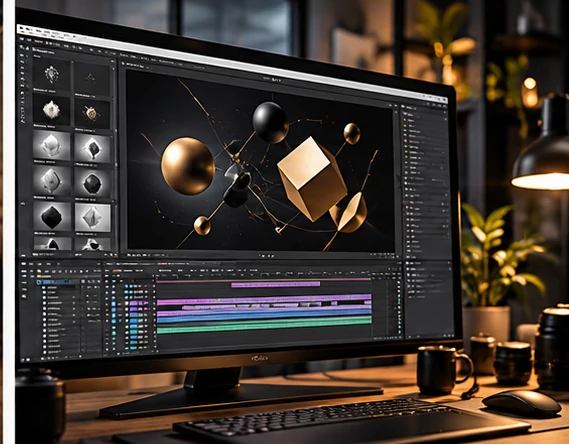
An animated explainer can condense a complex sequence into a few understandable scenes. Kinetic typography highlights the important words; graphics organise statistics and relationships.
Short logo animations, titles and transitions can create consistency across adverts and social clips. Animated elements can also work alongside live-action footage.
We first identify one central message and organise the information into a sequence. A storyboard or style frame establishes the visual language, pacing and tone before full production begins.
Brand colours, logos, typography and existing design guidelines inform the approach. Technical statements and supporting information are checked before implementation.
2D motion graphics are well suited to diagrams, workflows, explanatory sequences and typography. 3D can clarify spatial objects and processes, but usually requires more preparation and suitable reference material.
The right method depends on the message, source assets, schedule and budget. A fully modelled 3D scene is not always necessary.
Animation works best when timing, narration, music, sound design and readable on-screen text support one another. Motion should guide attention rather than distract from information.
Masters can be prepared for presentations, websites and social media in suitable aspect ratios. Subtitles and additional language versions can be planned as separate deliverables.
No. A brief description of the topic, audience and objective is enough to start developing a script.
No. A well-designed 2D explainer can often communicate a short message more directly and with less production effort.
Yes. Titles, animated diagrams and explanatory overlays can be integrated into suitable video material.
Share your topic, reference materials and where you plan to use the animation.
Discuss animation