One filming day, multiple video formats: Plan once, publish with purpose
How businesses can plan a filming day for websites, LinkedIn and vertical social videos through smart framing, sound and editing preparation.
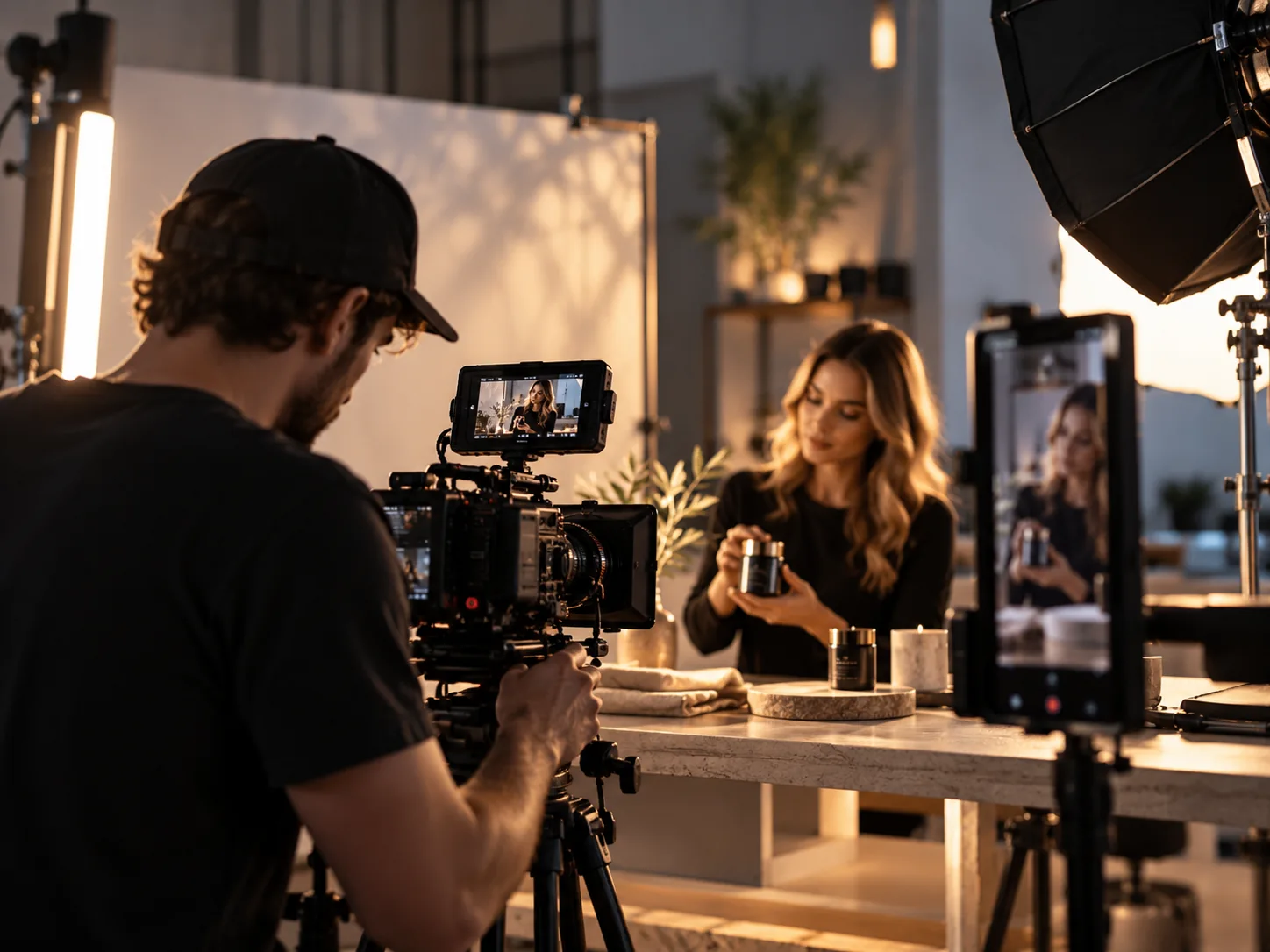
A company commissions a film for its website. A few weeks later, it also needs a short LinkedIn video, Instagram Reels and clips for presentations. Not every format requires another day of filming. The key is to plan for multiple uses before the cameras start rolling.
Start with the channels
List the places where the videos will appear and the purpose of each one. A website film can explain a business and build understanding. A LinkedIn clip may address one professional question. A Reel often needs an immediately clear opening. Different edits can come from the same material, but not every extract will work equally well everywhere.
Plan one main story and smaller themes
Agree on a main film and identify three to five short subjects that can stand alone: a common customer question, a process step, a team insight or a practical recommendation. That creates intentional short-form content rather than random leftovers from the main edit.
Consider horizontal and vertical formats together
Website videos often use 16:9, while Reels and Stories typically use 9:16. If both are required, plan the framing on set. Faces, products and important actions need to remain visible in the final crops. For interviews, consider the direction of the speaker's gaze, looking room and where subtitles will appear.
Clear sound works across formats
Video footage can often be reframed; poor audio is harder to fix. A well-placed lavalier or boom microphone, monitoring of ambient noise and a brief sound check make a difference. For short clips, encourage concise answers that make sense on their own, even when the original question is removed.
Capture useful supporting shots
Detail shots, hands at work, movement through a space and varied angles help connect interview sections and explain processes. Prepare a short list of B-roll for each main topic. Some subjects will benefit from additional shots designed specifically for a vertical crop.
Plan subtitles, language and permissions
Social video is frequently viewed without sound at first. Clear, concise subtitles improve accessibility. If German and English versions are planned, agree terminology and on-screen wording in advance. Music licences, releases and other usage rights should cover the intended channels.
A workable production plan
- Define the main film and the subjects of each short clip.
- Specify the audience, channel and purpose of every format.
- Plan interview statements and supporting images together.
- Capture key scenes with vertical crops in mind.
- Organise editing, subtitles, aspect ratios and approvals as one workflow.
Conclusion: Efficient video production does not mean exporting as many clips as possible. It means planning one shoot so that each resulting video has a clear role and works on its own channel.
Want several formats from one production? ARSALBA can help plan website and social-media videos as one coordinated project.